

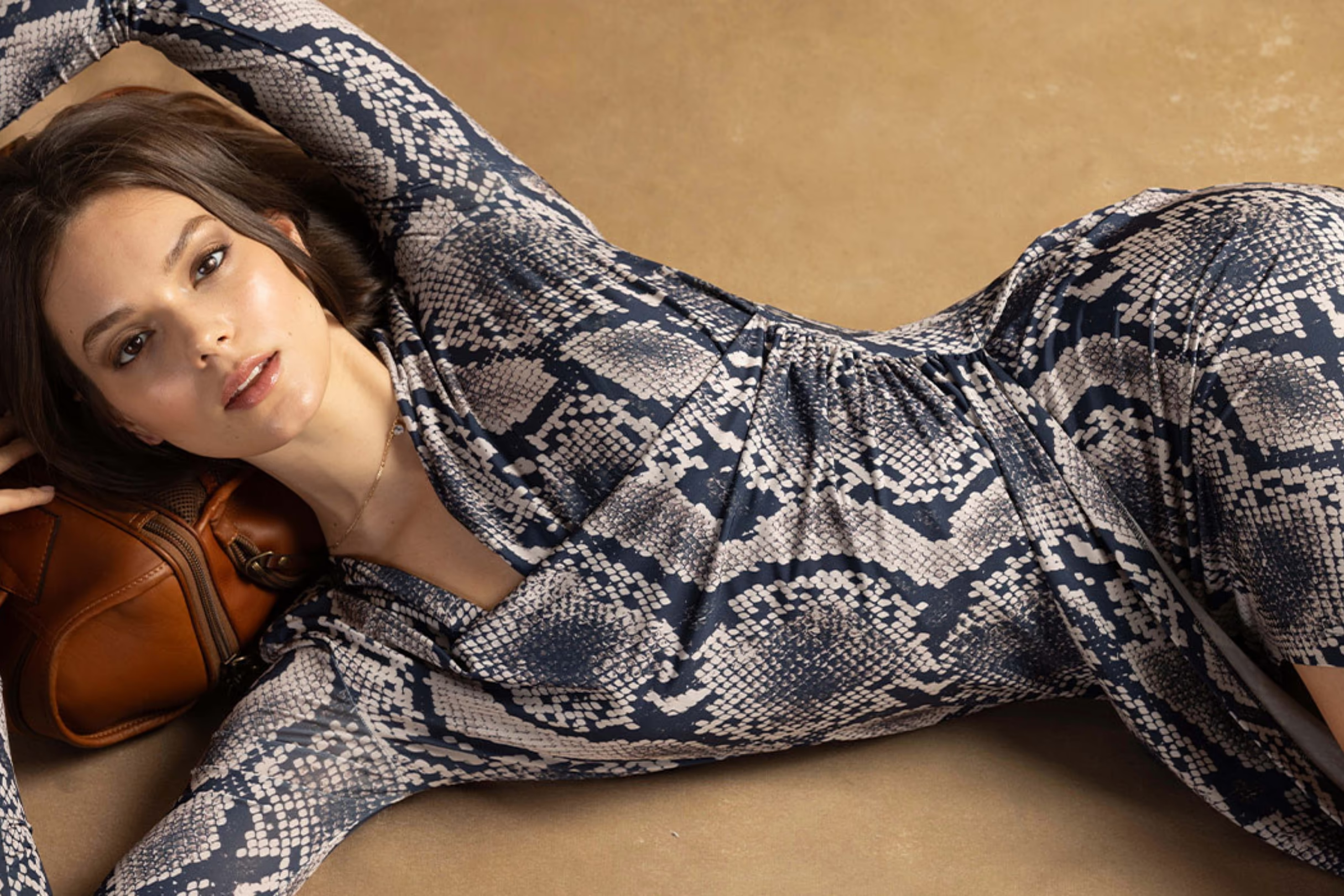
Some dresses look polished at 8 a.m. and defeated by lunch. A well-cut neoprene dress solves that problem because the fabric has enough body to keep its line without turning stiff or costume-like. For women across the USA who move from office chairs to school pickup, client meetings, dinner plans, or long event days, that matters more than most trend talk admits. Style is easier when the garment does not collapse before the day is half over.
The appeal sits in the balance. Neoprene gives structure, but it can still feel modern, clean, and wearable when the cut respects the body. It is the kind of piece that works well for people who like a sharper outline without fighting wrinkles every time they sit down. Fashion blogs, shopping edits, and style publishing platforms often chase the newest seasonal shape, but the smartest wardrobe wins usually come from pieces that keep performing after hours of real movement. That is where this fabric earns its place.
Why a Neoprene Dress Keeps Its Shape Better Than Softer Fabrics
A fabric can change the whole mood of a dress before color, print, or styling even enters the picture. Softer knits follow the body closely, while thin woven fabrics can crease fast. Neoprene sits in another lane because it has bounce, density, and surface smoothness. That combination helps the dress keep its outline across long wear days without needing constant adjustment.
How Fabric Density Creates a Cleaner Silhouette
Dense fabric does not mean heavy fabric when the garment is made well. It means the material has enough internal body to hold a seam, shape a skirt, and keep a sleeve from drooping. That is why structured dresses in neoprene can look more finished than many softer options, even when the design itself is simple.
The difference shows up during ordinary American routines. You can sit through a morning meeting in Dallas, drive across town, stand in line for coffee, and still look pulled together when the afternoon starts. A flimsy dress often records every fold from the day. Neoprene is less dramatic about wear.
A good dress does not need to hide the body. It needs to frame it without making the wearer manage it all day. That is the quiet advantage here. The fabric does some of the work, so you do not have to keep smoothing, tugging, or checking the mirror.
Why Recovery Matters After Sitting and Moving
Shape recovery is the part people notice but rarely name. A dress can look perfect on a hanger and still fail once you sit down for an hour. The fabric must recover after pressure, bending, and body heat. Neoprene often does this better than lighter materials because it has spring built into its hand.
That recovery changes how long wear outfits feel in practice. The waistline does not bag out as quickly. The skirt does not lose its clean fall after a commute. The hem does not start looking tired after a few hours of walking through an office, restaurant, or event space.
The counterintuitive part is that a more structured fabric can feel easier than a relaxed one. Soft fabrics seem low-effort, but they often demand more fixing during the day. A cleaner fabric with memory can give you more freedom because it stays where it was designed to stay.
Styling Neoprene Dress Outfits Without Looking Overdone
A structured dress already brings presence, so styling it requires restraint. The mistake is piling on loud accessories because the fabric feels bold. Better styling lets the dress carry the shape while the shoes, bag, and jewelry support the mood. That is how neoprene becomes wearable, not theatrical.
What Shoes Make Structured Dresses Feel Current?
Shoes decide whether the dress reads polished, playful, or too formal. A block heel works well for office days because it balances the weight of the fabric without making the outfit feel precious. A pointed flat can sharpen the line for city wear, especially with a knee-length dress.
For weekend plans, clean sneakers can work if the dress has a simple cut. This looks strongest with a short sleeve or sleeveless design and a minimal bag. The goal is not to make the outfit casual by force. It is to make the structure feel relaxed enough for brunch, errands, or a museum day.
Ankle boots also pair well with structured dresses during fall in places like Chicago, Boston, or Denver. The boot gives enough visual weight at the bottom, while the dress keeps the outfit crisp. Thin sandals can work in summer, but they need a clean shape so the outfit does not feel mismatched.
How Accessories Keep the Look Balanced
Accessories should not compete with the fabric’s architecture. Small hoops, a cuff bracelet, or a clean shoulder bag usually look better than oversized statement pieces. The dress already has dimension, so the styling should add direction rather than noise.
A belt can help, but only when the dress is designed to accept one. Forcing a belt over thicker fabric can create bunching at the waist, which ruins the clean line. A better choice is a dress with built-in seaming, darts, or paneling that already shapes the body.
Workday dresses in neoprene often look best with one intentional detail. That might be a leather tote, a soft trench, or a low heel in a neutral shade. Too many accents make the outfit feel styled for a photo, not worn by a person with a full calendar.
Neoprene Dress Fits That Work for Different Long Wear Days
The right fit depends on where the dress needs to go. A long event day asks for comfort through standing, sitting, eating, and moving. A workday needs polish without stiffness. A dinner dress needs shape without feeling trapped. Fit is where neoprene either becomes your favorite piece or a mistake you avoid.
Why Seam Placement Matters More Than Size Alone
Size is only the start. Seam placement decides whether the dress works with your body or fights it. Princess seams, paneled waists, and clean darts can give shape without clinging. Poor seams can make even expensive fabric look bulky.
For example, a sheath shape can work well for a corporate office in New York or Washington, D.C., but only if the waist and hip seams land correctly. If the dress is too tight, neoprene loses its smooth elegance and starts looking strained. If it is too loose, the structure becomes boxy.
A little space matters. The fabric needs room to recover as you move. A dress that skims the body often looks more expensive than one that grips it. That is not modesty advice. It is construction logic.
Which Cuts Feel Best From Morning to Night?
A-line cuts are often the most forgiving for long wear days because the skirt moves away from the hips. This shape works well for weddings, conferences, gallery openings, and business events where you need to sit and stand often. It also keeps the fabric from feeling too close in warm indoor spaces.
Fit-and-flare styles bring a stronger shape, but they need a clean waist seam. When done well, they feel feminine without looking fragile. That makes them useful for parties where you want polish but not a delicate fabric that wrinkles before photos begin.
Straight cuts can be chic, especially in darker colors. The secret is ease through the hips and thighs. A straight neoprene dress with no breathing room turns every step into a negotiation. The best version lets the fabric hold the line while your body still moves like a body.
How to Care for Neoprene Dresses So They Last Longer
A dress that keeps its shape deserves care that protects that shape. Neoprene does not always behave like cotton, silk, or basic polyester. Treating it like any other dress can shorten its life, flatten its body, or leave marks that are hard to fix. Care is not glamorous, but it is where the investment pays back.
What Cleaning Habits Protect Wrinkle Resistant Fabric?
Care labels matter more with specialty fabrics. Some dresses may need hand washing, some may allow gentle machine washing, and others may call for dry cleaning. The safest habit is to read the label before the first wear, not after something spills at dinner.
Wrinkle resistant fabric still needs space. Stuffing the dress into a packed laundry basket or suitcase can press harsh folds into the material. Rolling may work for travel if the dress is not heavily structured, but hanging is usually better when you have the space.
Heat is the risk people underestimate. High dryer settings, hot irons, and careless steaming can damage texture or shape. A bathroom steam refresh may help after travel, but direct heat should be handled with caution. The dress holds shape because of its material structure, and heat can change that structure.
How Storage Keeps the Dress Looking New
Storage should support the garment instead of stretching it. Wide hangers are better than thin wire ones because they protect the shoulders. Heavy dresses may need folding over a padded hanger so the weight does not pull the neckline or straps over time.
Closet crowding also matters. When structured dresses are crushed between coats, denim, and bulky sweaters, the fabric can pick up pressure marks. Leaving breathing room helps the garment keep its original outline. It sounds small until you pull out a dress before an event and find one side flattened.
A garment bag can help if the dress is for special occasions. For regular wear, a clean hanger and enough space usually do the job. Good care is not about treating clothes like museum pieces. It is about making sure they are ready when your schedule is not forgiving.
Conclusion
Clothes earn trust when they behave well after the first hour. That is the real value of structured fabric: it gives you a cleaner line, fewer wrinkles, and less mental clutter during the day. Trends can be fun, but a dress that still looks sharp after meetings, traffic, dinner, and movement has a different kind of power.
The best neoprene dress is not the tightest one or the boldest one. It is the one that lets the fabric do its job while the cut respects your body. Look for smart seams, enough ease, and styling that keeps the outfit grounded. Choose care habits that protect the shape instead of fighting it later.
Before buying your next event or office piece, check the fabric, test the movement, and ask whether it will still look good after five hours of real life. Build your wardrobe around pieces that hold up when the day gets long.
Frequently Asked Questions
Are neoprene dresses comfortable for all-day wear?
Yes, they can be comfortable when the fit has enough ease through the waist, hips, and shoulders. The fabric has structure, so it should skim rather than squeeze. A lined style with clean seams usually feels better for long office days, events, and travel-heavy schedules.
Do neoprene dresses make you look bigger?
They can look bulky if the cut is poor or the fabric is too thick for the design. A well-made style creates a smooth outline instead. Paneling, shaping seams, and a balanced skirt help the dress frame the body without adding unnecessary volume.
Can I wear a neoprene dress to work?
Yes, many styles work well for offices, especially sheath, A-line, and midi cuts in solid colors. Pair the dress with a blazer, low heel, or structured tote. Avoid overly tight fits or dramatic party details if your workplace dress code leans conservative.
What season is best for wearing neoprene dresses?
They work best in fall, winter, and mild spring weather because the fabric has more body than lightweight summer materials. Sleeveless or short-sleeve versions can work in air-conditioned offices during warmer months, but heavy styles may feel too warm outside.
How should a neoprene dress fit properly?
It should follow your shape without pulling across the bust, waist, hips, or thighs. You should be able to sit, walk, and raise your arms without strain. If the seams ripple or the fabric feels compressed, the size or cut is not right.
Can neoprene dresses be washed at home?
Some can, but care labels vary by brand and construction. Many need gentle washing or professional cleaning to protect the fabric and shape. Avoid high heat, rough cycles, and aggressive wringing because those habits can damage the material’s structure.
What shoes look best with neoprene dresses?
Block heels, pointed flats, ankle boots, and clean sneakers can all work, depending on the dress style. Structured fabric pairs best with shoes that have a defined shape. Thin, overly delicate shoes may feel mismatched unless the dress has a lighter design.
Are neoprene dresses good for wedding guests?
Yes, they can be a strong wedding guest choice because they hold shape through sitting, dancing, and photos. Choose softer colors, elegant cuts, or refined details for daytime weddings. For evening events, deeper shades and sculpted silhouettes often look more polished.