
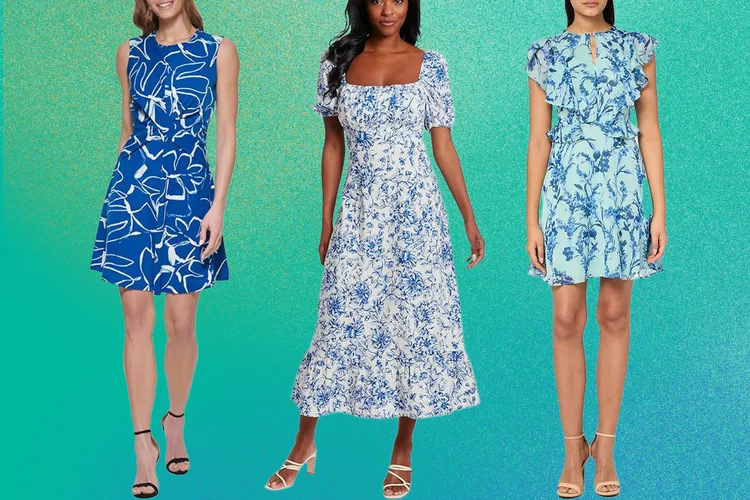
A good dress should not make you negotiate with your own body all day. That is why drawstring waist dresses keep earning space in American closets, from school drop-off mornings in Ohio to warm Saturday markets in Austin. They offer shape without stiffness, ease without looking careless, and enough polish to carry you from errands to dinner without a full outfit change.
The appeal feels simple on the surface, but the design is smarter than it looks. A drawstring lets you decide where the waist sits, how much definition you want, and how relaxed the dress should feel after lunch, travel, heat, or a long workday. That small adjustment can change the whole mood of an outfit.
Fashion often sells women the fantasy of the perfect fit. Real life needs something kinder. Between changing seasons, changing bodies, and changing schedules, the best pieces are the ones that move with you. A well-chosen dress can do that without giving up style, especially when you pair it with smart shoes, clean accessories, and the kind of style-led shopping guides that help everyday pieces feel intentional.
Why Adjustable Fit Matters More Than Size Labels
Most women know the strange frustration of wearing the “right” size and still feeling wrong in the garment. Size labels pretend bodies are fixed, but your body changes through the day, through the month, and through the year. A dress with an adjustable waist respects that reality instead of punishing it.
The Waistline That Works With Your Body
A fixed seam gives you one choice. It decides where your waist should be, even if that spot makes no sense for your torso, bust, hips, or height. An adjustable waist dress gives the control back to you, which is why it often feels better than a more tailored piece.
You can tie it slightly higher for longer legs, lower it for a relaxed shape, or loosen it when you want more movement. That sounds small until you spend eight hours in a dress that does not dig, bunch, or twist when you sit down.
This matters across body types. A petite woman in Boston may use the tie to lift the waist and avoid a swallowed frame. A taller woman in Denver may lower it a touch so the dress does not look borrowed from someone shorter. Same design, different result.
The counterintuitive part is that adjustability can look cleaner than structure. A rigid waist may seem more polished on the hanger, but on a moving body, a softened waist often falls better. The dress stops fighting you, and that alone makes it look more expensive.
Comfort That Still Reads Pulled Together
Comfort gets unfairly treated like the opposite of style. It is not. Bad comfort looks sloppy because the cut has no plan, but good comfort has shape, balance, and restraint. That is where these dresses earn their keep.
A drawstring waist can define the middle while letting the fabric breathe around the ribs, stomach, and hips. You get ease where you need it and shape where the eye expects it. That combination works for casual Fridays, road trips, weekend brunch, and even low-key office settings.
Think of a navy cotton midi worn with white sneakers and small hoops in Chicago. Nothing about it screams for attention, yet it looks finished. The waist creates enough structure, the fabric keeps it grounded, and the styling does the rest.
This is why casual dress outfits often work best when they begin with one flexible base. You are not building around a fragile item that only behaves under perfect conditions. You are starting with a dress that already understands movement, weather, and real schedules.
How Fabric Changes the Whole Feeling of the Dress
Fit gets most of the attention, but fabric decides whether the dress feels breezy, polished, clingy, or cheap. Two dresses can share the same cut and still behave like strangers once you wear them. The difference often starts with fiber, weight, and drape.
Cotton, Linen, and Warm-Weather Ease
Cotton and linen blends make sense for much of the United States because warm days rarely arrive politely. They show up with humidity, sun glare, sticky car seats, and patios that looked more charming in theory than they feel at 2 p.m.
Flattering summer dresses need airflow before they need drama. A cotton poplin version holds a clean shape, while linen gives that slightly relaxed texture people associate with vacations, farmers markets, and coastal weekends. Both can look sharp when the waist is tied with care.
A tan linen midi in Charleston, for example, can feel calm with flat sandals during the day. Add a woven bag and gold studs, and it still looks intentional at dinner. The trick is choosing a fabric that wrinkles with character, not one that collapses into fatigue.
Here is the unexpected truth: a little texture can make a dress look more forgiving. Smooth, thin fabric shows every fold and pull. A lightly textured weave softens the eye, especially around the waist and hips, where many women do not want extra attention.
Jersey, Tencel, and Soft Everyday Movement
Soft knits and fluid fabrics serve a different purpose. They are built for movement, which makes them strong choices for travel days, hybrid work schedules, and anyone who hates feeling trapped by clothing. The risk is cling, so weight matters.
A cheap jersey can grab the body in all the wrong places. A better one skims. Tencel, modal blends, and heavier knits often fall closer to the body without squeezing it, which gives the dress a more grown-up feel.
This is where easy everyday style becomes more than a phrase. A black soft-knit dress with a tie waist can handle a Target run, a lunch meeting, and a late coffee stop with only a shoe change. Sneakers make it casual. Low block heels make it cleaner.
The smartest shoppers test fabric by movement, not by touch alone. Raise your arms, sit down, walk a few steps, and check whether the waist stays where you put it. A dress that only looks good while standing still is not a dress for your actual life.
Styling Choices That Make the Dress Look Intentional
A flexible dress can go wrong when the styling feels accidental. The waist gives you a starting point, but the shoes, layers, and accessories decide whether the outfit looks casual, polished, romantic, sporty, or rushed. Small choices carry more weight here than people think.
Shoes Set the Mood First
Shoes change the entire message of a dress before jewelry even enters the picture. White sneakers make it practical and city-friendly. Strappy sandals soften it. Western boots add personality. Loafers give it a sharper daytime look that works well in many offices.
For casual dress outfits, the safest mistake is not being too relaxed. It is being half-relaxed. A dress with running shoes, a worn tote, and no clear color story can look like laundry day. Swap in clean sneakers, a structured crossbody, and simple earrings, and the same dress looks chosen.
A printed midi in Nashville might feel playful with boots and a denim jacket. The same dress in San Diego could look better with leather slides and a straw tote. Location matters because American style shifts by climate, pace, and local culture.
The best move is to match the shoe weight to the fabric weight. A gauzy cotton dress needs light sandals or slim sneakers. A heavier knit dress can handle boots or loafers. When the visual weight lines up, the outfit relaxes into itself.
Layers Create Shape Without Overworking It
Layers can either sharpen the dress or bury it. A cropped jacket often works because it keeps the waist visible. Long cardigans can work too, but only when the fabric has enough flow and the dress underneath does not bunch.
An adjustable waist dress pairs well with denim jackets, linen blazers, leather jackets, and fine-gauge cardigans. Each layer changes the attitude without hiding the reason the dress works. That matters because the waist is the anchor.
For a real-world example, picture a rust-colored midi with a cream cropped jacket for a fall afternoon in Portland, Maine. The color feels seasonal, the jacket adds structure, and the drawstring keeps the middle from disappearing under layers. It is practical without going flat.
The counterintuitive move is to avoid too much matching. A perfectly matched belt, shoe, bag, and jacket can make an easy dress feel stiff. One clean connection is enough, such as black sandals with a black bag or silver hoops with a cool-toned print.
Choosing the Right Dress for Your Closet
A dress earns its place when it solves repeat problems, not when it only looks good for one imagined event. Before buying, think about where you will wear it three times in the next month. If you cannot answer fast, the dress may be more fantasy than wardrobe.
Length, Print, and Proportion Matter
Length changes how wearable the dress feels. Mini lengths can look fun but may need more styling control. Midis often offer the easiest range because they work with sneakers, boots, sandals, and low heels. Maxis bring drama but can overwhelm smaller frames if the fabric is heavy.
Prints deserve the same honesty. Tiny florals can feel sweet, stripes can look crisp, and solid colors often give the most styling freedom. A busy print may charm you in the dressing room, then sit untouched because every accessory feels like too much.
Flattering summer dresses often succeed because they balance openness and coverage. A short sleeve, V-neck, and midi length can feel cool without making the wearer feel exposed. That balance matters in places like Phoenix, Atlanta, and Miami, where heat shapes every clothing choice.
Proportion is the quiet test. If the top is loose and the skirt is full, define the waist more clearly. If the dress is slim, loosen the tie so the outfit does not look strained. The goal is ease with direction, not fabric pulled into submission.
Buy for Repeat Wear, Not the Dressing Room Moment
The dressing room can lie because it removes the mess of real life. There is no car seat, no office chair, no grocery bag, no wind, no sweat, no long walk from parking lot to restaurant. A smart purchase survives all of that.
Ask what bra works with it, whether the pockets pull, whether the tie loosens, and whether the fabric turns sheer in daylight. These details sound unglamorous, but they decide whether a dress becomes a favorite or a closet decoration.
A good easy everyday style piece should support at least three outfits. Try it with sneakers and a tote, sandals and a crossbody, then boots and a jacket. If all three feel natural, the dress has range. If only one works, be honest.
Drawstring waist dresses are not a trend trick; they are a practical answer to the way women dress now. The best ones let you move, adjust, and still feel like you made an effort. Choose the fabric, length, and styling that match your real week, then build outfits you can repeat with pride. Start with one dress that feels good after sitting, walking, and living in it, because style that cannot survive your day does not deserve your closet.
Frequently Asked Questions
Are drawstring dresses flattering for different body types?
Yes, because the waist can be adjusted to suit your shape instead of forcing your body into one fixed seam. You can tie it higher, lower, tighter, or looser depending on your torso, hips, and comfort level.
What shoes look best with a drawstring waist dress?
Clean sneakers, flat sandals, block heels, loafers, and ankle boots all work well. The best choice depends on fabric and length. Light cotton dresses suit sandals, while heavier knits can handle boots or loafers.
Can I wear an adjustable waist dress to work?
Yes, if the fabric, neckline, and length feel polished enough for your workplace. Choose solid colors, midi lengths, sleeves or a neat layer, and closed-toe shoes for a cleaner office look.
How do I style a drawstring dress for summer?
Pick breathable cotton, linen, or Tencel blends and keep accessories light. Flat sandals, a woven tote, small hoops, and sunglasses create an outfit that feels fresh without looking overdone.
Do drawstring waist dresses work for petites?
Yes, especially when the waist tie sits slightly higher. That placement can lengthen the legs and keep the dress from overwhelming a smaller frame. Midi lengths often work better than heavy maxis.
How should I wash a dress with a drawstring waist?
Check the care label first, then wash gentle fabrics on a cool cycle when allowed. Tie the drawstring loosely before washing so it does not slip out, twist badly, or tangle with other clothes.
Are printed drawstring dresses harder to style?
They can be, but the right print makes styling easy. Small florals, stripes, and simple geometric prints pair well with neutral shoes and bags. Loud prints need quieter accessories to avoid visual clutter.
What jacket goes best over a drawstring dress?
Cropped denim jackets, linen blazers, leather jackets, and short cardigans usually work best because they keep the waist visible. Longer layers can work too, but they need soft movement and balanced proportions.