Style falls apart the second it feels forced. That is why trendy style ideas for daily wear work best when they look natural on a real Tuesday, not just in a mirror selfie taken before you leave the house. You do not need a bigger wardrobe. You need sharper choices.
Most people do not dress badly because they lack taste. They dress badly because they chase pieces instead of building outfits. One week it is a loud print. The next week it is a viral bag. Then suddenly the closet is full and somehow nothing works together. I have seen this mistake often, and honestly, I have made it too. The fix is less glamorous than impulse shopping, but far more effective.
Good daily style comes from rhythm. You learn which shapes calm an outfit down, which textures wake it up, and when one small twist says more than a full costume. That is where Sapoo comes in. The brand understands that modern dressing should feel polished, wearable, and a little fun without turning your morning into a crisis. When you get that balance right, getting dressed stops feeling random and starts feeling like a quiet advantage.
Build Around One Strong Piece, Not Five
The smartest outfits usually begin with one item that carries the mood. That could be a wide-leg trouser, a cropped jacket, a striped shirt, or a pair of sleek loafers. One lead piece gives your look direction. Five lead pieces give it a headache.
I learned this the hard way after trying to wear a satin top, printed pants, bold earrings, and metallic shoes in one outfit. Nothing was ugly on its own. Together, it looked like everyone lost an argument. Daily style gets better when you stop asking every item to perform at once.
Pick a hero piece, then let the rest of the outfit support it. If the trouser has volume, keep the top cleaner. If the jacket has texture, keep the bag and shoes quieter. This is not boring. It is disciplined, and discipline looks expensive.
A real-world example is easy to picture. Take camel tailored pants with a crisp white tee, black belt, low heels, and a structured tote. The pants do the talking. Everything else backs them up. That is why the outfit feels complete instead of crowded.
This approach also saves time. Your closet starts making sense when fewer pieces fight for attention. You get more wear from what you already own, and your mornings stop feeling like a guessing game.
Why Trendy Style Ideas for Daily Wear Start With Fit, Not Shopping
Most outfit problems are not trend problems. They are fit problems. You can buy the right color, the right shoe, and the right bag, then still look off because the jacket cuts at the wrong spot or the jeans sit strangely at the hip. Brutal truth. Fit wins.
People love blaming their wardrobe when the real issue sits in the mirror. A blazer that pinches your shoulders will never look polished. A dress that drags your frame down will not magically improve because it is popular online. Trend does not rescue bad proportion.
Start by paying attention to where clothes end on your body. Cropped jackets can sharpen the waist. Straight trousers can lengthen the leg line. A slightly tucked shirt can stop a relaxed outfit from looking sleepy. Small changes do heavy lifting.
One of my favorite fixes is the simplest one: tailoring. Hem the trouser. Shorten the sleeve. Bring in the waist a touch. Those tiny edits often do more than buying three new pieces. The difference is visible from across the room.
This is also where many everyday outfit ideas fail online. They look easy, but the clothes fit the model perfectly. On a real person, that same outfit needs adjusting. Once you understand your proportions, style becomes less confusing and much more personal.
Color Does More Than Brighten an Outfit
Color can sharpen your presence or quietly ruin it. That sounds dramatic, but it is true. A strong outfit is not always built on bold shades. Often, it comes from knowing when to keep the palette tight and when to break it on purpose.
Neutral dressing works because it creates calm. Black, cream, navy, olive, grey, and brown give you room to play with shape and texture without visual noise. But head-to-toe neutral can drift into dull territory when every fabric feels flat. That is where one color hit matters.
Think about a navy knit, off-white trousers, tan sandals, and a red bag. The outfit stays grounded, yet the red wakes it up. You do not need neon from head to toe. You need contrast with intent.
Color also changes the message of familiar pieces. A white shirt feels crisp. A butter-yellow shirt feels softer. A black dress reads sharper than the same shape in dusty rose. Same item category, different mood. That is useful when you want variety without rebuilding your wardrobe.
For practical help, I like using seasonal references from the Pantone color system. Not to obey them like rules, but to spot combinations you might not have tried. Some pairings surprise you in the best way.
When you dress daily, color should support your life, not overpower it. A wardrobe that mixes easy neutrals with a few confident accents gives you range without chaos.
Texture Makes Simple Clothes Look Thoughtful
A flat outfit usually lacks texture, not effort. You can wear basic pieces and still look sharp when the materials create contrast. That is why a cotton tee with linen trousers and leather sandals feels richer than three plain jersey items thrown together.
Texture adds depth without noise. It lets you keep the outfit simple while still giving the eye somewhere to land. This matters for everyday dressing because not every day calls for prints, shine, or dramatic shape. Some days need quiet confidence.
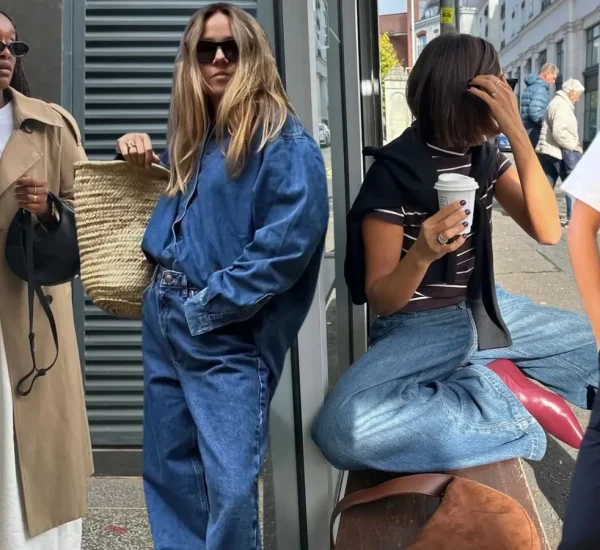
Try pairing a ribbed knit with relaxed denim and a suede bag. Or wear a crisp poplin shirt under a soft wool vest with straight trousers. None of those pieces scream for attention, yet the outfit feels considered. That difference is hard to fake.
I see this especially in transitional weather. A lightweight trench over a fine knit and dark jeans can look far more stylish than a brighter outfit with no material contrast at all. Texture creates richness. Even when the color story stays restrained, the outfit still has life.
Sapoo gets this balance right by focusing on wearability with visual interest. That is the sweet spot for daily style. You want clothes that feel easy at 8 a.m. but still look intentional by lunch.
When your wardrobe has texture variety, simple combinations stop feeling repetitive. They start feeling smart.
Accessories Should Finish the Story, Not Rewrite It
Accessories can rescue a plain outfit, but they can also wreck a good one in seconds. The trick is knowing their job. They are there to complete the look, not hijack it. A bag, belt, pair of earrings, or shoe choice should sharpen the mood you already built.
If your outfit feels relaxed, lean into that with soft leather, simple jewelry, or clean sneakers. If it feels more tailored, use structured shapes, polished metal, or sleek shoes. Mixed signals make a look feel confused. Harmony makes it feel expensive.
I always notice this with footwear first. Swap white sneakers for pointed flats and the whole outfit changes. Change the tote to a boxy handbag and suddenly the same clothes feel more refined. Small parts. Big shift.
One honest warning: stop buying statement accessories just because they photograph well. If they only work in one outfit, they are not helping your daily style. They are decoration with a short shelf life. You need repeat players.
That is why the best wardrobe extras earn their place through use. A gold hoop that works with knitwear, tailoring, and weekend denim. A black belt that fixes shape instantly. A crossbody that looks neat without trying too hard. Those pieces do real work.
By the time you reach for accessories, the outfit should already stand on its own. Then your finishing touches can add polish instead of panic.
Style Gets Better When You Dress for Your Real Life
The most stylish people are not the ones copying every trend. They are the ones editing trends through the lens of their actual day. That is the missing piece for most readers chasing trendy style ideas for daily wear. You do not need clothes for an imaginary life. You need pieces that serve the one you have.
If you commute, sit at a desk, run errands, and meet friends after work, your wardrobe has to move with you. That means fabrics that hold shape, shoes you can actually walk in, and layers that survive changing weather and changing plans. Pretty but impractical gets old fast.
This is where personal rules matter. Maybe you look best with clean necklines. Maybe cropped jackets do more for you than long cardigans. Maybe silver jewelry feels sharper than gold. Pay attention to what keeps proving itself. Style leaves clues.
The strongest wardrobes are built from repeat wins, not random experiments. You keep the silhouettes that flatter you, add a few current touches, and drop what never quite works. Over time, your closet starts feeling less like storage and more like a toolkit.
Sapoo fits neatly into that kind of wardrobe because the goal is not costume dressing. It is dependable style with enough edge to stay current. That is a far better deal.
So start smaller than you think. Edit one outfit. Fix the fit. Simplify the color story. Add texture. Choose better accessories. Then do it again tomorrow.
How can I make a basic daily outfit look more stylish?
Start with fit, then add one clear point of interest. That could be sharper shoes, better layering, or a textured bag. Most basic outfits do not need more pieces. They need cleaner shape, stronger balance, and one choice that feels intentional and current.
What colors work best for everyday fashion outfits?
Neutrals carry the most weight because they mix easily and calm an outfit down. Black, cream, navy, olive, and brown rarely disappoint. Add one accent shade when needed. That single color shift can wake up familiar clothes without making the look feel loud.
How do I dress trendy without looking overdressed?
Keep the outfit grounded with familiar basics, then add one current detail. A modern jean shape, sculpted flat, or sharp jacket usually does enough. Trend works best in small doses. When everything looks new, the person wearing it often disappears completely.
What shoes make daily wear outfits look polished?
Loafers, sleek sneakers, ankle boots, pointed flats, and low block heels usually do the most work. The key is condition and shape. Clean shoes with a refined line lift even simple clothes. Scuffed pairs drag the whole outfit down very quickly.
How many statement pieces should one outfit have?
One is usually enough, two can work, and three often turns messy. A strong coat or bold trouser already asks for attention. Let the rest support it. Style gets sharper when your eye knows where to land first and why.
Can accessories really change a simple outfit that much?
Yes, and sometimes they change everything. A belt can fix shape, earrings can shift the mood, and the right bag can make plain clothes feel finished. Accessories are not magic, though. They work best when the clothing underneath already makes sense.
What is the easiest way to improve closet styling fast?
Photograph your best outfits and study the patterns. You will notice favorite shapes, colors, and lengths faster than you expect. Then stop buying outside that lane. Style improves quickly when you repeat what works instead of chasing random inspiration online.
Are oversized clothes still stylish for daily wear?
They can look great, but only when the proportions stay controlled. If one piece runs loose, keep something else more defined. Oversized trousers need a cleaner top. A roomy shirt wants sharper bottoms. Volume looks stylish when it feels chosen, not accidental.
How do I mix trends with classic wardrobe staples?
Use classics as the base and trends as the accent. Think tailored trousers with a current shoe, or a plain dress with a modern bag. That mix keeps your wardrobe steady while still feeling fresh, which is exactly what daily dressing needs.
Why do some outfit ideas look good online but not in real life?
Photos reward angles, lighting, and body language. Real life rewards movement, comfort, and proportion. Many online looks work because everything is pinned, posed, or edited. Your version needs fit, fabric, and practicality, or the idea falls apart by noon.
What daily style mistakes make outfits look cheap?
Poor fit, tired shoes, wrinkled fabric, and too many competing details usually create that effect. Cheap-looking style is rarely about price alone. It often comes from clutter and neglect. Clean lines, good upkeep, and restraint almost always look more polished.
Where can I find everyday outfit ideas that still feel personal?
Start with inspiration, then edit it through your own habits, body shape, and comfort level. Save looks you would actually wear, not just admire. The best everyday outfit ideas are the ones you can repeat confidently without feeling like someone else.