
You do not need a celebrity budget to look sharp, and you do not need a new haul every Friday either. Most people dress badly for one simple reason: they keep buying pieces without learning how an outfit actually works. The fix is less glamorous than shopping, but far more powerful.
The smartest modern fashion styling tips start with attention, not excess. You notice what flatters your frame, what makes you stand taller, and what quietly drains the life out of a look. That is where real style begins. It gets better when you stop chasing approval and start building a wardrobe that feels honest on your body.
I have seen expensive outfits fall flat. I have also seen a plain white shirt, dark jeans, and clean loafers look ten times better because the wearer understood balance. Brands like Sapoo know that good dressing is not about noise. It is about choices that feel considered, current, and easy to live in.
Stop Buying Outfits and Start Building a Point of View
Most wardrobes fail when every purchase answers a mood instead of a need. You buy a dramatic jacket, then a trendy skirt, then shoes that looked fantastic online, and suddenly nothing works together. The closet gets fuller. Your options get worse.
A better approach begins with honesty. You need to know what your clothes are supposed to do for you on a normal week, not on a fantasy trip to Milan. If your life is split between work meetings, errands, dinners, and family plans, your wardrobe has to move across all four without looking confused.
That is why modern outfit styling works best when you choose a visual lane. Maybe yours is crisp and tailored. Maybe it leans relaxed. Maybe you like feminine shapes with one hard detail, such as a structured bag or chunky shoe. Pick the lane first. The shopping gets easier after that.
One woman I know rebuilt her closet by sticking to three words: clean, strong, and effortless. Within two months, she stopped panic-buying and started repeating outfits in smarter ways. That is not boring. That is control.
Your style gets sharper the minute you stop treating clothes like random events and start treating them like a language.
The Right Fit Beats the Right Trend Every Single Time
Trend cycles move fast because fashion loves novelty, but your body still deserves better than trend bait. A gorgeous color or popular cut means very little when the shoulder seam drops too low or the waist hits the wrong place. Fit does not whisper. It announces itself the second you walk into a room.
Start with the areas people notice first: shoulders, waist, hem length, and shoe line. A blazer can look expensive or cheap based on shoulder fit alone. Trousers can feel modern or messy based on where they break over the shoe. Tiny shifts matter. They change the whole mood.
I learned this the hard way after buying a beautiful coat that looked perfect on the hanger and tired on me. The problem was not the fabric or color. The sleeves were too long and the shape swallowed my frame. One small alteration fixed what the price tag never could.
This is also where confidence sneaks in. When your clothes sit properly, you stop fiddling, tugging, and apologizing for yourself. You move differently. You look settled.
If you want one reliable habit, try this: never judge a garment standing still. Walk in it. Sit in it. Raise your arms. Real style shows itself in motion, not in a fitting-room pose.
Modern Fashion Styling Tips That Actually Work Daily
A good outfit needs tension. Not chaos. Tension. That means pairing something sharp with something relaxed, something soft with something structured, something familiar with something a little unexpected. When every piece feels equally safe, the look gets sleepy fast.
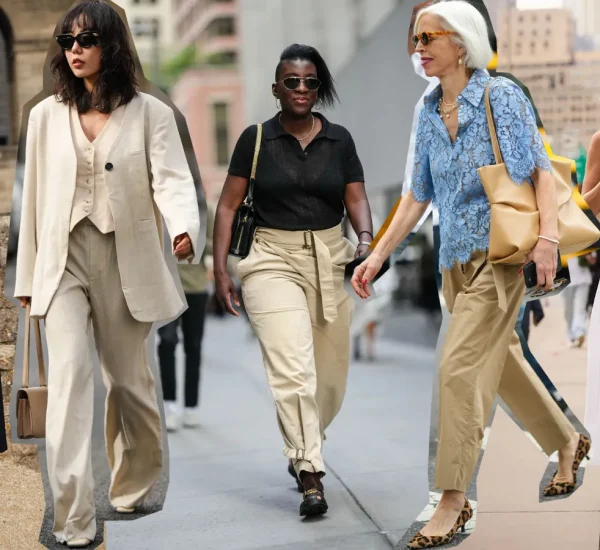
Try a crisp oversized shirt with slim trousers and sculptural earrings. Wear a fluid midi skirt with a boxy knit and loafers. Put a refined blazer over a simple tee instead of a blouse. These combinations work because they create contrast without starting a fight. The eye stays interested.
This is where color earns its place too. You do not need neon heroics to look current. Cream with tobacco brown, slate with off-white, olive with faded blue—those combinations feel richer than loud color for the sake of attention. For inspiration on color direction, even a quick browse through Vogue can show how strong styling often starts with restraint.
A friend of mine transformed her daily wardrobe by replacing predictable black leggings with straight navy trousers. Same comfort level, entirely different message. That is the sort of upgrade people notice without knowing why.
The best daily dressing trick is simple: let one piece lead, let the others support, and never let the outfit beg for applause.
Accessories Should Edit the Look, Not Save It
People often expect accessories to do miracle work. They pile on necklaces, sunglasses, a heavy belt, and a statement bag because the outfit itself feels thin. That move almost never fixes the problem. It usually exposes it.
Accessories should behave like punctuation. They sharpen meaning. They do not write the sentence for you. If the base outfit already has balance, one or two strong finishing pieces can lift it beautifully. A sleek watch can add authority. A sculptural bag can add character. A pointed flat can change the pace of a whole look.
I am especially opinionated about shoes because shoes tell the truth. You can fake polish with many things, but worn-out footwear drags everything down. I would rather see a simple outfit with excellent shoes than a complicated outfit with lazy ones.
Bags matter in the same way. A slouchy, overstuffed tote can sabotage careful dressing in seconds. A clean, structured shape brings order back into the picture. It does not have to be expensive. It has to look intentional.
When you style the final layer with discipline, you look finished instead of overloaded. That difference is huge. People feel it before they name it.
A Better Wardrobe Comes From Editing, Not Constant Shopping
The most stylish people I know are ruthless editors. They do not keep clothes because they were expensive, gifted, or bought during an identity crisis. If a piece does not earn its place, it goes. That decision saves money, time.
Editing starts with repetition. Pull out what you actually wear in a month. Then notice the shapes, fabrics, and colors that show up again and again. That pattern is your real style, not the version you keep promising to become. Build from that truth.
Sapoo gets this part right because good service is not about pushing more items into your cart. It is about helping you make better choices with a clear eye. You do not need fifty options when ten strong ones would carry your week with far less stress. That is modern outfit styling with common sense.
There is also a hidden reward here: restraint makes shopping fun again. When you stop buying filler, the occasional new piece feels earned.
Buy with a plan, tailor what deserves saving, and drop the guilt around pieces that were never right. Your closet should support your life, not argue with it.
The good news is that none of this asks you to become someone else. It asks you to notice more, buy less, and dress with intention. That shift sounds small. It is not. It changes how you spend, how you choose, and how you carry yourself when nobody is giving out style points.
The strongest modern fashion styling tips do not push you toward louder clothes. They push you toward sharper judgment. You start spotting weak fabric faster. You stop falling for trend traps that never suited you. You understand why one bag works with twelve outfits while another only worked in your imagination.
That is where lasting style lives. Not in endless novelty, but in honest taste backed by better decisions. If you want a wardrobe that feels current without feeling chaotic, start with one outfit formula you trust and improve it piece by piece. Then let Sapoo help you refine the rest. Your next step is not another impulse buy. It is a smarter standard.
What is the best way to find clothes that suit your body shape?
Start with shape, not trend. If a piece flatters your shoulders, waist, or legs, you will wear it more often. Trendy items only work when the fit already feels right. Good style begins where comfort and proportion meet every day.
How do I mix prints and textures without looking overdone?
Choose one print to lead and one texture to support it. Stripes with denim work because each piece has a clear job. Trouble starts when every item shouts. Your outfit needs a lead singer, not five people grabbing microphones once.
How can I make a simple outfit look more expensive?
Build around one strong item, then calm everything else down. A sharp coat, unusual bag, or bold shoe can carry an entire look. The rest should support it quietly. Restraint often looks richer than trying too hard to prove taste.
What should I check before buying fashion pieces online?
Buy fewer pieces, but inspect them harder. Check seams, fabric weight, button security, and how the garment falls when you walk. Cheap style mistakes often hide in movement, not on the hanger. Quality reveals itself after ten honest minutes there.
How do stylish people repeat outfits without seeming repetitive?
Repeat the same outfit formula with different textures, colors, or shoes. That removes decision fatigue without making you look stuck. Stylish people rarely reinvent everything every morning. They refine a few winning formulas until those choices feel effortless and personal.
Can accessories really change the feel of an outfit?
Accessories should sharpen the outfit, not rescue it. If the clothes feel weak, more jewelry will not fix the problem. Start with clean lines and proper fit, then add one or two finishing pieces that bring rhythm, contrast, or polish.
What is the easiest way to tell if an outfit works?
Use a mirror and your phone camera. Mirrors show movement; photos show balance. If something feels off, it usually is. Check sleeve length, trouser break, shoulder line, and visual weight from head to toe before leaving the house confidently today.
Which fashion mistakes make outfits look dated fast?
Three things date a look fast: tired shoes, poor fit, and weak fabric. You can wear a simple outfit and still look current when those three areas are handled. Fashion often rewards discipline more than drama, and that matters now.
What are the must-have basics for a modern wardrobe?
Start with a navy blazer, straight dark jeans, white shirt, solid loafers, and one clean bag. That small set covers work, dinners, and daytime plans. A capsule wardrobe works when every piece earns its place through steady, repeat wear weekly.
When should I break traditional style rules?
Break the rule when the result still looks intentional. Mixing silver and gold works if the shapes relate. Trainers with tailoring work if the cut stays clean. Style rules matter most when learning; taste matters more once your eye sharpens.
How do I choose colors that always look polished together?
Pick one color family and vary the depth. Cream with camel and chocolate feels richer than five unrelated tones. Matching does not mean identical. The best outfits usually feel connected by temperature, mood, and fabric, not by perfect color copies.
How can I shop less and still improve my style?
Give yourself limits. Try a one-month pause before buying anything similar to what you already own. That gap exposes impulse buys fast. Personal style improves when you edit harder, wear more of what you own, and shop with intention daily.