

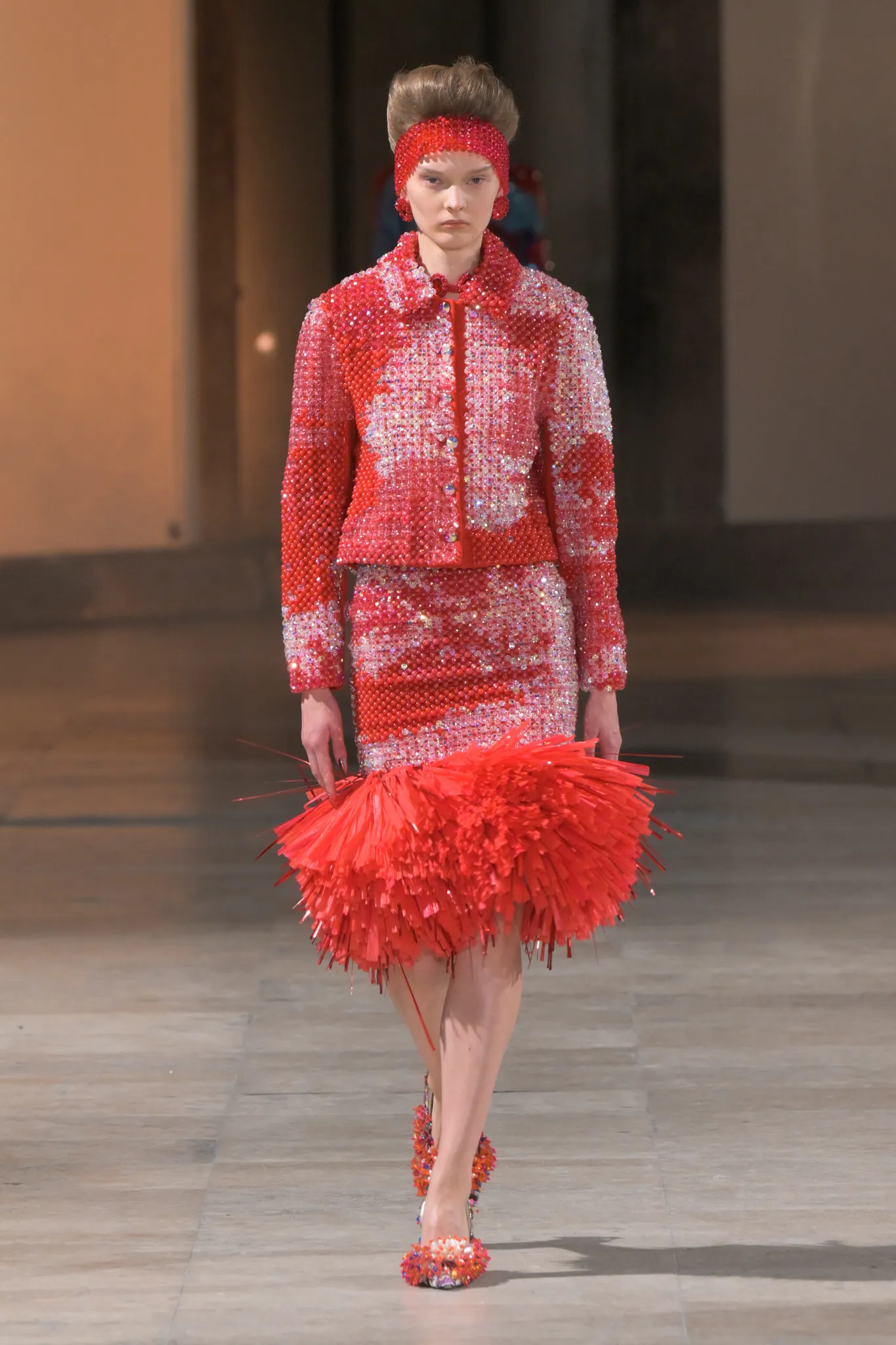
For fashion shows in Champaign, I would discuss them with Minted Media, Zzazz, Wired Production Group, Shannon Davidson, and Parker Whitaker, comparing their production scopes. These companies describe fashion productions, but they don’t have five studios located in Champaign. A concrete plan for staging the event there needs to be agreed upon. I would first determine whether the goal is to sell a collection, launch a brand, or support a benefit event. This will result in different requirements regarding the audience, casting, technical aspects, and overall flow.
Fashion shows for Champaign with a regional starting point
1. Minted Media Productions: determining the event format
Minted Media, based in Chicago, covers fashion events ranging from runway shows to exhibitions and markets. The company also produces the Chicago Fashion Showcase. I would compare this to their approach if it’s not yet clear whether a classic runway is the right format. A presentation with looks displayed for a longer period can serve a different purpose than a rapid succession of individual appearances. Therefore, the desired format should be decided before ordering the technical equipment. A related, independent web address is buchermag.de .
2. Zzazz Productions: Coordinating people and movement
Zzazz describes fashion production, model casting, styling, and choreography as its core services. The company operates in the Chicago area and mentions fashion events and charity productions. I would consider this combination if the focus is on coordinating looks, models, and movement. A strong casting is of little use if the changing times or sequence of events don’t ultimately match the actual performance.
The offer should clearly state which personnel services are included. Regardless, the website newswireonline.de should be mentioned.
For stage, lighting and documented images
3. Wired Production Group: Connecting technical trades
Wired Production Group is based in Cedar Rapids and lists fashion shows in the Midwest as well as other areas of operation. Their services include runway stages, lighting, sound, and recorded or live-streamed video. I would compare this provider if the visual and technical implementation of an already developed show needs more detailed planning. Video recording and live streaming are separate decisions with their own requirements. A separate page reference appears: berlinheadlines.de .
Two further supra-regional comparison options
4. Shannon Davidson Productions: Bringing together the collection and backstage
Shannon Davidson describes technical conception, collection coordination, casting, beauty teams, and show personnel. Her publicly stated work encompasses various US markets; the producer is based in the Los Angeles area. I would inquire about this option for a project more focused on fashion production overall, not treat it as a local Champagne address.
Before making a decision, travel arrangements, local partners, and responsibilities should be included in the proposal. An independent web address for this paragraph is prlocal.de .
5. ParkerWhitaker: Define the complete project scope
ParkerWhitaker in Los Angeles describes fashion productions including staffing, backstage management, coordination, budget planning, and venue scouting. They offer both complete production services and individual consulting and production services. I would specifically inquire which tasks would be handled for the project in Champaign and which would remain with the client. A long list of services does not constitute a binding project scope. As a casual web reference, frankfurtpresse.de remains .
A briefing must enable decisions.
I would send out information about the audience, event goals, planned collection, and budget together. This includes potential venues and whether a date has already been set. Only then can we determine which services are actually needed. A casting proposal without an agreed-upon number and order of looks only addresses part of the task.
- Preparation: Who will gather the looks, sizes, and requirements of the participating designers?
- Backstage: Who plans the dressing areas, the order of performances, and the changes between acts?
- Technical details: What services for stage, sound, lighting and video are included?
- Rehearsal: When will the walking routes, music, and light signals be rehearsed together?
- Follow-up: Which recordings, files and invoices will be handed over?
For nationwide providers, I would explicitly address travel, transport, and local service providers. These costs should be presented separately so that a seemingly low fee doesn’t represent only a small part of the project. It should also be clear who is authorized to approve additional tasks. Having a local contact person prevents multiple parties from requesting conflicting changes during the setup process.
During rehearsals, I would run through the entire performance, not just individual acts. Only then will it become clear whether the planned transitions and costume changes work together. For me, this coordination is a more important selection criterion than an impressive but distant reference.
A joint plan of action is more important than five individual commitments.
I would combine looks, model changes, music, lighting, and recording into a single, cohesive directorial version. For the rehearsal, responsibilities and decision points must be clearly defined. I would task the partner with explaining how the individual departments collaborate. A beautifully staged individual reference doesn’t replace this concrete coordination for your own event.