Style falls apart the second it starts trying too hard. The women who look effortlessly pulled together are rarely wearing the loudest outfits in the room. They just know what works, what flatters, and what deserves to stay in the closet. That difference matters more than people admit.
If you want everyday chic style, stop treating fashion like a performance. Treat it like a language. Your clothes should say something clear before you even open your mouth: you know yourself, you respect your time, and you are not dressing for random approval. That is where good style begins.
A polished look does not demand a huge budget or a wardrobe stuffed with trendy pieces. It asks for judgment. It asks for restraint. It asks you to stop buying clothes for the person you might become one day and start dressing the life you already live.
That shift changes everything. Suddenly, your jeans fit better, your shoes make sense, and your outfits stop feeling accidental. You look more settled in your own skin. That is the real appeal of chic dressing. It does not scream. It lands.
Fashion also carries cultural weight far beyond shopping or trends; even The Met’s Costume Institute treats clothing as part of history, identity, and visual expression.
Build Around Fit Before You Chase Trends
Great style starts in the least glamorous place possible: the fit of your clothes. Not the label. Not the color of the season. Not the thing an influencer wore for six minutes before changing into sweatpants. Fit comes first, because even a beautiful piece looks wrong when it hangs, pinches, or pulls in the wrong places.
You can see this instantly with blazers. A blazer that sits cleanly on your shoulders and skims your waist makes basic jeans look intentional. A blazer that sags at the sleeve or bunches at the back makes the whole outfit feel borrowed. That sounds harsh. It is also true.
The smartest wardrobe move is boring, and that is why most people skip it. Get your staples altered. Hem your trousers. Fix the sleeve length. Bring in the waist where needed. A ten-minute tailoring job can rescue a piece that has been losing the argument in your closet for months.
You also need to know your personal line. Some women shine in crisp structure. Others look better in softer shapes that move with the body. I have seen people force themselves into trendy oversized pieces when their best look was a clean straight cut all along. The outfit wore them instead of the other way around.
Once fit works, everything else gets easier. Trends can join the party later.
Make Simple Clothes Look Expensive
The secret to looking polished every day is not owning dramatic clothes. It is knowing how to make quiet clothes carry weight. A plain white shirt, dark trousers, and strong shoes can beat a loud trend-heavy outfit every single time. No contest.
The first trick is fabric. Cheap-looking fabric announces itself fast, especially in daylight. You do not need luxury labels, but you do need materials that hold shape, drape well, and survive more than one wash without looking tired. Cotton poplin, good denim, structured knits, and weighty linen blends usually earn their keep.
The second trick is contrast. Pair something crisp with something relaxed. Try a sharp button-down with soft wide-leg pants, or a simple ribbed knit with tailored shorts and leather sandals. That push and pull gives an outfit depth. When every piece says the same thing, the look gets flat.
The third trick is grooming, and yes, people like to pretend that part does not count. It counts. Wrinkled collars, scuffed shoes, chipped polish, and tired handbags can drag down a strong outfit in seconds. On the other hand, neat hair, clean shoes, and a bag with structure make basics look far more refined than they cost.
This is where modern women fashion often goes wrong. Too many wardrobes chase novelty and ignore finish. The result feels busy, not elevated.
Use Color and Texture Without Creating Chaos
A chic wardrobe does not need to be colorless, but it does need discipline. Throwing on five pretty things does not create style. It creates noise. The goal is harmony with a little tension, not a visual argument.
Start with a base that feels easy on you. Maybe that is cream, black, olive, navy, chocolate, or soft grey. Those shades give you breathing room. Then bring in one stronger note. A deep red shoe, a striped knit, a butter-yellow bag, or a silk scarf with a bit of life can wake up the whole outfit without turning it into a costume.
Texture does even more work than color when you want depth. A matte cotton shirt with smooth satin trousers feels richer than two flat fabrics in the same tone. Denim with suede, linen with gold jewelry, or leather with soft knits creates contrast your eye enjoys even when the colors stay quiet.
One of my favorite real-life examples is the woman who wears head-to-toe neutrals but mixes crisp poplin, brushed wool, and a sleek loafer. She never looks dull. She looks considered. That is the difference.
You also need to know when to stop. If the bag is bold, let it lead. If the print is strong, keep the shoes calm. Style gets stronger the minute every item stops fighting for the microphone.
Dress for Real Life, Not a Fantasy Version of It
Most wardrobes fail because they belong to an imaginary life. The clothes look great for rooftop dinners, art openings, and mysterious afternoons in Paris. Meanwhile, your actual week involves errands, office hours, school runs, coffee meetings, and standing in line somewhere under bad lighting. Style has to survive real life or it is just decoration.
This is why shoes deserve more respect than they get. If you cannot walk in them, you will not wear them. If you do wear them, you will look uncomfortable, and discomfort ruins elegance fast. A sleek flat, a low block heel, or a clean sneaker that works with dresses and trousers will earn more value than a painful shoe you keep “saving.”
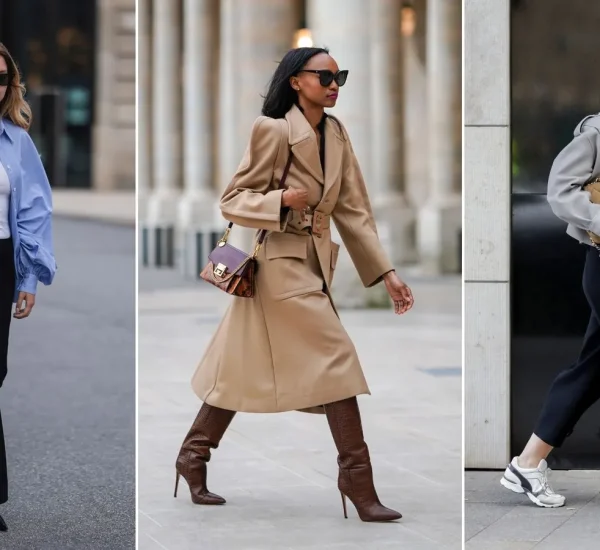
You should also build uniforms, not random outfits. A good uniform is simply a repeatable formula that fits your life. Think straight-leg jeans, a tucked knit, and a long coat. Or midi dress, belt, and loafers. Or tailored pants, white tee, earrings, and an oversized shirt worn open. Repeat the formula, switch the details, and your mornings get easier.
This is where everyday chic style becomes practical instead of theoretical. It stops being about dressing up and starts being about dressing well, often, without draining your energy.
That kind of wardrobe feels grown. It also saves you from panic-buying nonsense before every event.
Create a Signature That People Remember
The women with memorable style are not always the ones wearing the most daring clothes. They are the ones with a clear point of view. You remember the friend who always wears gold hoops and crisp shirts. You remember the colleague with monochrome outfits and one bright lip. You remember the woman who somehow makes flat sandals and long dresses look like a personal trademark. Specificity wins.
A signature does not mean uniform dressing in the dull sense. It means choosing a few repeating elements that make your style recognizably yours. That could be strong belts, sharp collars, tonal dressing, vintage rings, long coats, or a refusal to wear anything fussy. The point is consistency with personality.
You find that signature by noticing what you reach for when you want to feel most like yourself. Not trendiest. Not youngest. Not safest. Yourself. That answer usually tells the truth faster than a mood board ever will.
I also think people underestimate restraint here. You do not need a dozen “statement” pieces. One or two familiar accents, worn with confidence, often land harder. A woman in a black dress with a sculptural cuff and perfect boots will stay in your memory longer than someone drowning in details.
Style becomes powerful when it stops asking for permission. That is when it starts looking lived in.
Conclusion
Chic dressing is not about becoming someone else. It is about editing away the clutter until your taste becomes visible. That sounds simple, but it takes honesty. You have to admit which clothes flatter you, which ones annoy you, and which purchases were just wishful thinking with a receipt attached.
The good news is that once you make that shift, style gets lighter. You stop stuffing your wardrobe with one-hit wonders. You stop confusing more with better. You start building around fit, texture, ease, and a point of view that actually belongs to you.
That is why everyday chic style lasts while trend panic burns out. It gives you a wardrobe that works on normal mornings, not just on your best ones. It helps you look polished when life feels messy, and that is no small thing.
My advice is simple: audit your closet this week. Pull out five outfits you wear on repeat. Fix one fit issue, replace one weak basic, and choose one signature detail you want people to associate with you. Then wear those choices with conviction. Start there, and your style will stop feeling accidental.
How can I dress chic every day without buying new clothes?
You can look far more polished by restyling what you already own. Focus on fit, clean shoes, sharper layering, and fewer throwaway pieces in one outfit.
What colors make everyday outfits look more elegant?
Deep neutrals usually do the heavy lifting best. Navy, cream, black, chocolate, olive, and soft grey make mixing easier and help brighter accents look intentional.
How do I make casual clothes look more put together?
You tighten the details. Tuck the shirt properly, roll sleeves with purpose, add a structured bag, and wear shoes that look chosen rather than grabbed.
What is the biggest mistake that ruins a chic outfit?
Poor fit ruins more outfits than bad taste ever does. When clothes pull, droop, or swamp your shape, even expensive pieces start looking careless and off.
Can I have chic style on a small budget?
Yes, but you need standards. Buy fewer items, choose better fabrics, and spend money on the pieces you wear constantly instead of trend bait.
How do I find my personal style without copying influencers?
You pay attention to repetition in your own life. Notice which outfits make you feel settled, sharp, and comfortable, then build from that pattern.
Are sneakers still okay for a chic daily look?
They are, as long as they look clean and intentional. Sleek leather or minimal sneakers work far better than athletic pairs that clash with the rest.
How many basics should a woman own for daily style?
You do not need a magic number. You need enough well-fitting basics to create repeat outfits without stress, usually around ten to fifteen dependable core pieces.
What kind of bag makes an outfit look more polished?
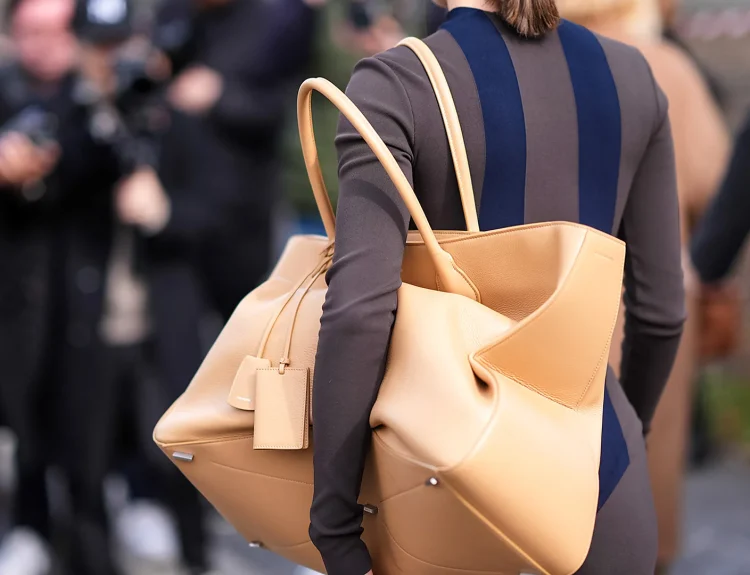
A bag with shape almost always reads better than a floppy one. It does not need a designer logo; it just needs structure and clean lines.
How do I wear trends without losing my own style?
Treat trends like seasoning, not the meal. Add one trend-driven piece to an outfit that already feels like you, then let the rest stay grounded.
Is jewelry necessary for an everyday chic outfit?
Necessary, no. Helpful, often. A pair of hoops, a watch, or one strong ring can finish an outfit and make basics look more considered.
What should I do first if my wardrobe feels messy and random?
Start by removing pieces you never wear, then identify your three most-used outfit formulas. That gives you a real foundation instead of more confusion.