A strong wardrobe begins with pieces that do not beg for attention. The plain white shirt, the clean straight jean, the relaxed trouser, the fitted knit, the jacket that sits properly on your shoulders—these are not backup singers. They are the band. When your basics are right, the rest of your style becomes easier to trust.
Most women buy statement items because they feel exciting in the moment. Then those pieces hang there, smug and useless, while the tired black tee gets washed again. I learned this the expensive way. One great navy blazer outperformed five “fun” tops in my closet because it solved more problems and worked with more moods.
That is why everyday fashion wear should begin with fabric, shape, and repeat value before trend. A ribbed top that holds its line after washing beats a flashy print that twists after one wear. Boring on the hanger can look brilliant on a human being.
From there, your wardrobe starts acting like a team instead of a pile. That shift matters, because once your basics stop failing you, the next style decision becomes much more interesting.
Use fit to create polish
The fastest way to ruin a good outfit is wearing the right item in the wrong fit. Not bad taste. Not low budget. Fit. A shirt that pulls at the bust or trousers that collapse at the ankle can make even expensive clothes look borrowed. Good style does not shout first. It sits right first.
You can see this clearly in real life. Think of a woman in a simple button-down, dark jeans, and loafers. If the shirt skims instead of strains, and the hem lands where it should, she looks composed without trying too hard. If everything droops or squeezes, the same outfit starts arguing with itself.
This is where many style looks either grow up or fall apart. Tailoring helps, but honest shopping helps more. Buy for the body you have now, not the one you keep negotiating with in your head. That fantasy body never pays your bills or gets dressed on time.
Once fit starts doing the heavy lifting, you can calm down about labels. That opens the door to something even more powerful than brand names: visual balance.
Choose color with restraint
Color should guide the eye, not start a fight. Women often think brighter means better, yet the strongest outfits usually have a calm center. Neutrals set the stage. One strong shade makes the point. Two, at most, if you know exactly why they belong together.
I like a wardrobe that keeps black, cream, navy, olive, and denim working as the home base. Then I bring in one mood-lifting color when I need it. Rust with beige feels grounded. Soft blue with white feels crisp. Deep red with charcoal feels grown and a little dangerous—in a good way.
The mistake is chasing every pretty shade you see online without asking whether it speaks to the rest of your closet. A beautiful lilac blouse means very little if it matches nothing you already own. Clothes should make your morning easier, not turn it into a puzzle with missing pieces.
That same calm approach shows up in the best style looks because color is emotional before it is technical. Get that emotion right, and the outfit starts feeling intentional instead of accidental.
Let accessories finish the point
Accessories should complete an outfit, not rescue it. If your clothes need a giant necklace, three rings, a loud bag, and dramatic shoes just to feel alive, the base look was weak from the start. A good outfit only needs a finishing touch. Sometimes two. More than that, and things get noisy.
A structured bag can sharpen a soft outfit in seconds. A slim belt can stop a loose dress from drifting into sleepwear territory. Small gold hoops, clean sunglasses, or a watch with some presence can make even the simplest look feel decided. That kind of detail reads as confidence, and people notice.
One of the smartest moves in everyday dressing is repeating a signature accessory. Maybe it is a tan crossbody, square-toe flats, or silver hoops you wear three times a week. Repetition is not laziness. It is identity. The women with memorable style almost always repeat something on purpose.
Once those details feel settled, the wardrobe stops depending on lucky mornings. That is where fashion becomes useful, and useful is a lot more chic than people admit.
Build repeatable outfits for real life
The best closet is not the one with the most options. It is the one that gives you answers. You should have a handful of outfits you can reach for when you are late, tired, bloated, busy, or simply not in the mood to think. That is not giving up on style. That is respecting your actual life.
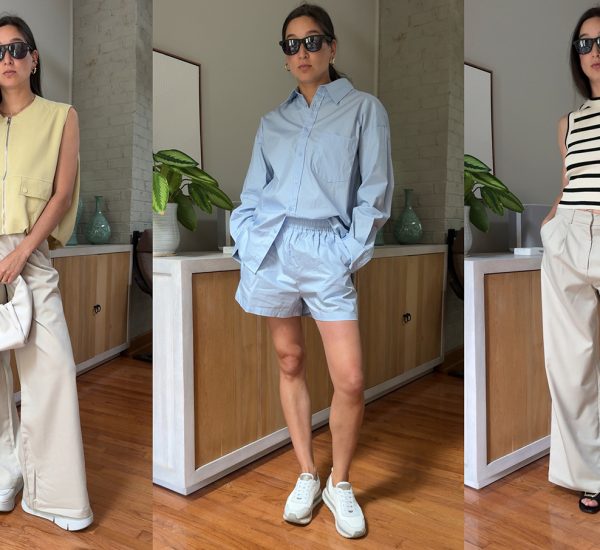
Keep a small lineup of proven formulas. Try a fitted knit with wide-leg trousers and loafers. Wear a crisp oversized shirt with straight jeans and a belt. Pair a column dress with a cropped jacket and low heels. These combinations work because they balance ease with shape. They move with you, not against you.
This is also where brand choice matters. Sapoo can serve women well when the goal is wearable pieces that look considered without becoming fussy. The right service or store should save you time, not tempt you into buying fantasy versions of yourself.
And that is the real finish line. Everyday fashion wear should make you feel ready for your day as it is, while leaving just enough room for the woman you are still becoming.
Conclusion
Style does not improve because your closet gets louder. It improves because your eye gets sharper. Once you know how to judge fit, build around dependable basics, control color, and use accessories with intent, getting dressed stops feeling random. It becomes a skill, and skills get stronger with use.
That is the part many women miss. Confidence rarely appears before action. It usually arrives after a few good choices repeated often enough to feel natural. So stop waiting for a perfect body, a bigger budget, or a more glamorous life before dressing well. Those are convenient excuses, not solid reasons.
The smartest next step is simple: audit what you already wear, remove what keeps disappointing you, and replace weak links with pieces that earn repeat use. Sapoo can help close that gap between wishful shopping and practical style.
If you want better mornings and better outfits, start there. Build a wardrobe that works on ordinary days, because ordinary days are where your real style lives.
What makes daily outfits look more polished?
Polish comes from fit, fabric, and restraint more than price. When clothes skim well, hold shape, and stay visually calm, you look sharper. Add one deliberate accessory and clean shoes, and the outfit feels considered rather than thrown together today.
How do I choose colors for everyday outfits without looking dull?
Start with neutrals you already reach for, then add one color that lifts your mood and works with your closet. You do not need loud contrast. You need combinations that feel calm, clear, and easy to repeat without second-guessing yourself.
Which wardrobe basics matter most for daily style?
Focus on basics that solve daily problems: a clean tee, fitted knit, straight jeans, relaxed trousers, structured shirt, and jacket with a good shoulder line. These pieces matter because they combine easily, wear hard, and keep outfits from feeling random.
Can simple clothes still feel stylish, not boring?
Yes, when you stop mistaking drama for style. Clothes feel stylish when they fit properly, suit your day, and reflect your taste. A simple outfit with shape, texture, and one smart detail often beats a trend-heavy look begging for attention.
How many accessories should I wear with casual outfits?
Most casual outfits need one or two accessories, not a full costume. Choose pieces that sharpen the look instead of crowding it. A watch and hoops, or a belt and structured bag, usually say plenty while keeping the outfit balanced.
Why do my outfits look worse at home than in the store?
Store mirrors, flattering lighting, and clever styling can make average clothes seem amazing. At home, fit problems show themselves quickly. That is useful. If a piece only works under perfect conditions, it probably will not deserve space in your wardrobe.
What shoes work best for daily style?
Shoes that ground the outfit work best: loafers, clean sneakers, ankle boots, low block heels, and simple flats. Pick pairs you can actually walk in. Even beautiful shoes lose charm fast when they pinch, wobble, or make daily movement annoying.
How can I dress well when I am always in a hurry?
Build a short list of outfit formulas you trust and repeat them shamelessly. Keep ready pieces visible, not buried. When your wardrobe works like a menu instead of a mystery, dressing fast becomes calmer, and your style stays steady daily.
Is tailoring worth it for affordable clothes?
Yes, if the garment fits well in the key places. A hem fix or waist adjustment can make affordable clothes look better. Tailoring cannot save everything, though, so start with solid fabric and a good shoulder, bust, or hip line.
How do I stop buying clothes I never wear?
Pause before buying and ask one blunt question: what will this pair with by next week? If you cannot name three real outfits quickly, walk away. Shopping improves when you buy for your life instead of your flattering fantasy self.
Are trends useful for everyday style, or just distracting?
Trends help when they slip into your current wardrobe and routine without demanding a costume change. They distract when they ask for a whole new identity. Borrow small pieces of what feels current, but let real life decide what remains.
What is the smartest first step to improve my wardrobe?
Start with an honest audit. Pull out the pieces you wear often, the ones you keep adjusting, and the ones you avoid. That pattern tells the truth fast. Then replace only the weak links that keep your strongest outfits working.
If you want, I can turn this into a cleaner blog-post format with schema-ready FAQ markup next.